Crews Hill Lane upholstery cleaning for period homes
Period homes have a charm all their own: the carved wood, the generous room proportions, the slightly uneven floorboards that somehow make sense after a while. But the upholstery in those homes can be another story. Fabrics age, fillings shift, dust settles into seams, and one wrong cleaning method can leave a favourite chair looking worse, not better. That is why Crews Hill Lane upholstery cleaning for period homes needs a careful, considered approach rather than a one-size-fits-all tidy-up.
This guide explains what matters, how professional upholstery cleaning works in older properties, and how to protect antiques, inherited pieces, and well-loved modern furniture in a period setting. If you are weighing up a clean for a Victorian sofa, a Georgian armchair, or even a newer piece living in an older house, you will find practical advice here. A little care goes a long way. Truth be told, that is usually the difference between a fresh result and an expensive mistake.
Table of Contents
- Why Crews Hill Lane upholstery cleaning for period homes Matters
- How Crews Hill Lane upholstery cleaning for period homes Works
- Key Benefits and Practical Advantages
- Who This Is For and When It Makes Sense
- Step-by-Step Guidance
- Expert Tips for Better Results
- Common Mistakes to Avoid
- Tools, Resources and Recommendations
- Law, Compliance, Standards, or Best Practice
- Options, Methods, or Comparison Table
- Case Study or Real-World Example
- Practical Checklist
- Conclusion
- Frequently Asked Questions
Why Crews Hill Lane upholstery cleaning for period homes Matters
Upholstery in period homes is often more delicate than people expect. It may include natural fibres, horsehair-style fillings, older stitching, decorative trims, or fabric that has already been professionally repaired once or twice. These things are part of the furniture's history, but they also change how it should be cleaned. A heavy-handed clean can pull dye, leave tide marks, flatten pile, or create shrinkage around seams.
Older homes also bring practical issues that affect the cleaning outcome. Rooms may be cooler, ventilation may be limited, and furniture can sit close to fireplaces, sash windows, or draughty corners where dust and soot accumulate. Over time, that dust becomes more than surface grime. It works its way down into the fabric and padding, which is why a quick vacuum alone rarely solves the problem.
There is also the aesthetic side of things. In a period interior, furniture is not just functional. It sets the tone of the room. A cleaned armchair beside a fireplace or a refreshed window seat can change how the whole space feels. You notice the room breathing again. And if you live with antiques or family pieces, preserving them properly matters just as much as making them look nice.
If you are already exploring broader fabric care, it can help to look at related services such as professional upholstery cleaning and, where needed, matching care for other soft furnishings like curtain cleaning. In period homes, everything tends to influence everything else a bit. Dust from curtains lands on chairs, soot from fireplaces settles on trims, and one neglected corner can undo a lot of good work.
How Crews Hill Lane upholstery cleaning for period homes Works
Good upholstery cleaning for older properties starts with inspection, not with water. A trained cleaner will usually identify the fabric type, check the construction, look for existing wear, and test the stability of dyes or finishes before choosing a method. That might sound cautious, but it should be. Period homes often contain furniture that reacts very differently from modern mass-produced pieces.
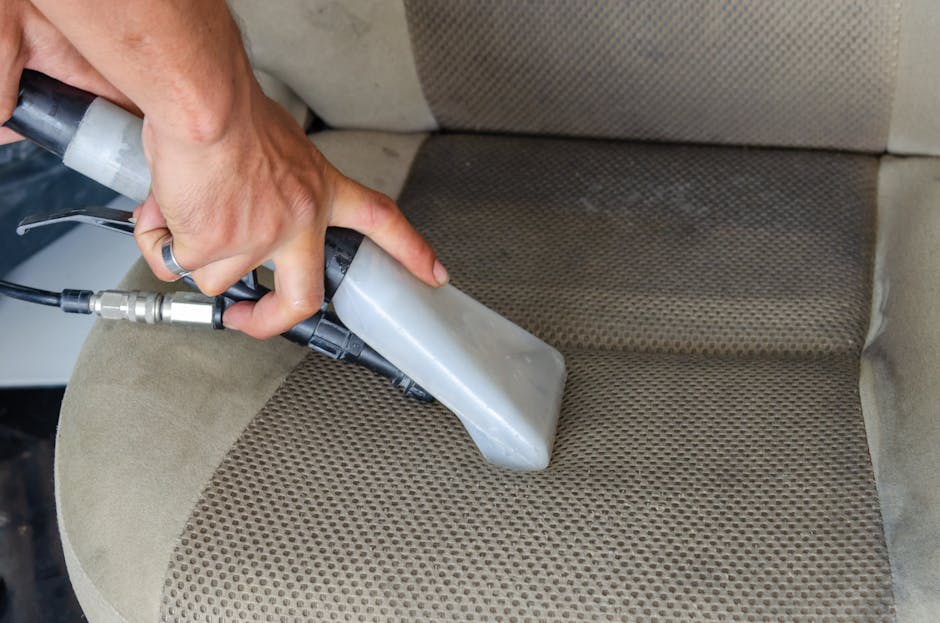
Most professional cleaning follows a few broad stages. First comes vacuuming with appropriate attachments to remove loose dust, crumbs, pet hair, and debris from seams, buttons, and under cushions. Then comes fabric assessment. If the material can tolerate moisture, a low-moisture or controlled wet clean may be used. If not, a drier method or targeted stain treatment may be safer. Some items need spot treatment only. Some need deodorising. Some need nothing more than a careful refresh.
One detail people overlook is drying. In older homes, especially those with thicker walls and less airflow, upholstery can dry more slowly. That means the cleaner needs to plan the process around ventilation, temperature, and the room's layout. A clean that looks fine at noon can still be damp by evening if the method is too wet. Let's face it, nobody wants a sofa that smells faintly of a damp coat the next day.
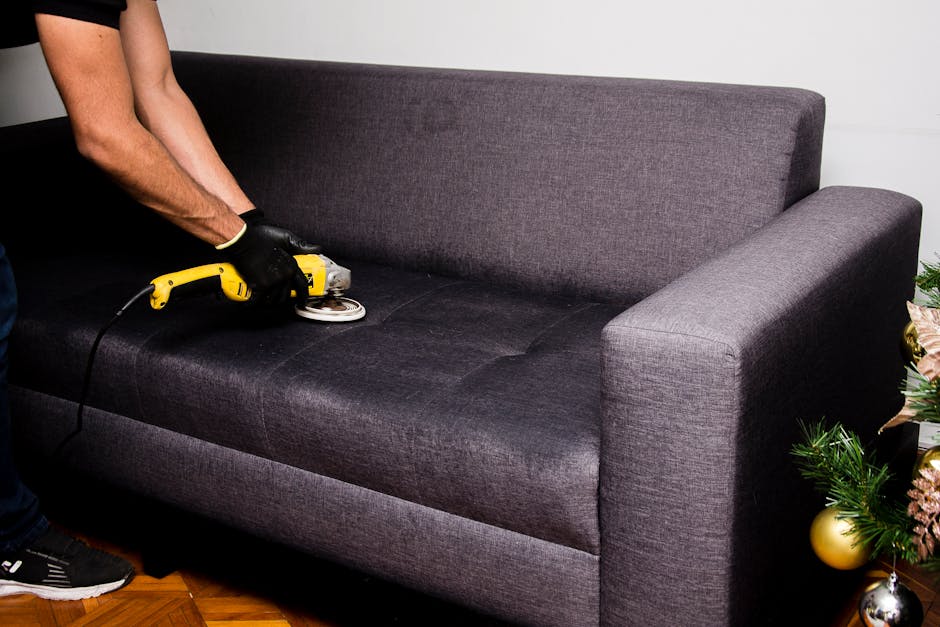
For broader fabric or fibre-sensitive situations, techniques may overlap with services like sofa cleaning, rug cleaning, or stain removal. The point is not to force a single method across everything. The point is to choose the safest method for the item in front of you.
Key Benefits and Practical Advantages
A well-executed upholstery clean does more than remove visible marks. In a period home, the benefits are often broader and more noticeable than people expect.
- Improved appearance: Colours look fresher, patterns read more clearly, and faded-looking areas can become less obvious once embedded dirt is removed.
- Better room atmosphere: Soft furnishings trap odours from cooking, pets, fireplaces, and daily use. A proper clean can make the entire room feel lighter.
- Longer fabric life: Dirt particles act like tiny abrasives. Removing them can reduce wear over time.
- More comfortable living: Clean upholstery simply feels better to sit on, especially for frequently used armchairs and sofas.
- Preservation of heritage pieces: Careful cleaning supports the long-term condition of older furniture rather than replacing the original character of it.
There is another benefit that gets missed: peace of mind. If you have ever worried about whether that faint water mark or dark patch is "just age" or a treatable stain, a proper assessment helps. Even when a cleaner advises a light-touch approach, you know why. That reassurance matters in a home where the furniture may have been there longer than you have.
It also helps to think about the wider home. If your upholstery has picked up dust from old fireplaces or seasonal damp, you may find other textiles need attention too. Coordinating care with carpet cleaning or steam carpet cleaning can make the whole property feel more balanced, though the right method for each surface may differ.
Who This Is For and When It Makes Sense
This service is a good fit for homeowners and tenants in older properties who want to refresh upholstery without risking damage. It is especially useful if your furniture shows everyday wear, dust build-up, pet odours, or spill marks. It also makes sense before special occasions, after renovation work, or during a seasonal reset when the house gets opened up and you finally notice that the sitting room has been quietly collecting the year's worth of life.
It is also for people with inherited or antique pieces who are unsure what can safely be done at home. If you have ever looked at a faded velvet chair and thought, "I really should not attack this with a supermarket spray," you are probably right. Some fabrics need proper testing and a very gentle hand.
Here are a few realistic scenarios:
- A family has a well-used sofa in a drawing room that smells faintly of smoke after years near an open fire.
- A home office in a converted period property has an upholstered chair stained by coffee and ink.
- An elderly relative's favourite armchair needs freshening, but the fabric is old and fragile.
- A property owner wants to present a period rental home in better condition between lets.
For landlords, managers, or owners of mixed-use properties, upholstery and soft furnishing care may sit alongside broader maintenance concerns. In some cases, it is useful to think about the whole property rather than one item in isolation, especially where reception rooms, common areas, or guest rooms see steady wear. If that sounds familiar, the broader approach behind commercial carpet cleaning can also be relevant in shared or higher-traffic environments.
Step-by-Step Guidance
If you want to understand what a careful cleaning process should look like, here is the practical version. Nothing mysterious. Just a sensible sequence that protects the fabric and gives a better result.
- Identify the fabric and construction. Check labels if they exist, but do not rely on them alone. Older furniture may have no useful label at all.
- Inspect for damage. Look for loose seams, thinning fabric, previous repairs, fraying, or weak edging.
- Test in a discreet area. A good cleaner will check colour stability and reaction to the chosen solution.
- Vacuum thoroughly. This removes dust, grit, crumbs, and pet hair before moisture is introduced.
- Treat stains carefully. The stain type matters. Food, oil, ink, and pet accidents all behave differently.
- Apply the safest cleaning method. That may be low-moisture extraction, dry cleaning-style treatment, or targeted hand work.
- Control drying. Good airflow, sensible temperature, and careful moisture use all matter here.
- Finish with a final inspection. Check for residue, remaining marks, dye movement, or texture changes.
It sounds simple because, in principle, it is. The skill is in the judgement. Which part should be left alone? Which stain can be improved? Which one should be documented and not pushed further? Those are the decisions that separate a careful clean from a risky one.
Expert Tips for Better Results
If you want the best outcome in a period home, a few habits make a real difference. They are not glamorous, but they work.
- Vacuum before the cleaner arrives. Loose dust gets in the way of a proper assessment and can turn to mud if pushed around with moisture.
- Point out old repairs and weak seams. A cleaner cannot protect what they do not know about.
- Be honest about the stain history. If something has already been treated with a home product, say so. Chemical residue can change the result.
- Ask about drying time. In a cooler house, that question is not fussy. It is sensible.
- Keep curtains open where possible. Natural light and airflow help, though not direct heat on delicate fabrics.
- Do not chase perfection on antique pieces. A safe, improved result is better than over-cleaning a historical item.
One small but useful tip: if your home has different types of upholstery, ask for a joined-up plan rather than treating every item the same. A velvet chair, a linen footstool, and a synthetic family sofa all need different handling. That may sound obvious, but it gets missed more often than you would think.
And yes, sometimes the best tip is the boring one. Test first. Clean second. There is a reason professionals keep repeating it.
Common Mistakes to Avoid
Most upholstery problems in period homes do not come from dirt alone. They come from the wrong response to dirt.
- Using too much water: Oversaturation can cause shrinkage, rings, mould risk, and long drying times.
- Scrubbing stains aggressively: This spreads the mark, roughs up the pile, and can distort the fabric.
- Using generic sprays on unknown fabrics: Household products can set stains or strip colour.
- Ignoring hidden dust: Seat creases, buttons, and undersides collect grime that ordinary wiping misses.
- Cleaning valuable pieces as though they were modern office furniture: That is the fastest route to disappointment, honestly.
- Forgetting ventilation: In an old house with closed rooms, drying strategy matters as much as the wash itself.
Another common mistake is assuming that a stain that has "been there for years" cannot improve. Sometimes it cannot be removed fully, but it can often be reduced enough that the room feels transformed. A little improvement can still be a lot. You can live with a softened mark far more happily than with a harsh stain sitting in the centre of the room like a bad memory.
Tools, Resources and Recommendations
You do not need a van full of gadgetry to maintain upholstery well, but the right tools help. For everyday upkeep, a vacuum with an upholstery attachment is the most useful starting point. Soft brushes are handy for lifting dust from textured fabric, and a clean white cloth is useful for gentle spot blotting. White cloth only, ideally. You really do not want mystery dye from a colourful towel making the situation more interesting.
For heavier cleaning, specialists may use fibre-safe solutions, controlled extraction equipment, or dry compound methods depending on the material. If pet odours are part of the picture, services such as pet stain odour removal may be relevant, especially where accidents have soaked below the surface rather than sitting on top.
It is also sensible to think about the rest of the room. If upholstery has picked up dust from soft furnishings, consider pairing the work with rug cleaning or the right carpet service. A room with clean seating but tired floor coverings can still feel unfinished.
For people comparing providers, the most useful "resource" is often not a tool but a clear conversation. Ask what fabric types they are comfortable working on, how they handle antique or delicate items, and what they recommend if a stain is not safely removable. Good answers are usually plain, specific, and calm. That calm matters.
Law, Compliance, Standards, or Best Practice
For upholstery cleaning in period homes, the most important compliance point is straightforward: any cleaning work should be carried out safely, with appropriate care for the property, occupants, and furnishings. In the UK, that typically means sensible risk assessment, careful handling of cleaning agents, and respect for any customer instructions about vulnerable fabrics or heritage pieces.
Where cleaners work in occupied homes, best practice also includes clear communication about access, ventilation, drying time, and any temporary restrictions on use. If a piece should not be sat on until fully dry, that should be said plainly. No one enjoys finding that out the hard way.
For a reputable service, it is reasonable to expect attention to insurance, safety procedures, and transparency around what a clean can and cannot achieve. If you want to read more about the way a provider approaches those basics, it may help to look at their insurance and safety information and health and safety policy. If pricing, payment, or terms matter before booking, those should also be clear, not hidden behind awkward wording or surprise conditions. That is just good practice.
There is no single legal standard that tells every cleaner exactly how to treat every fabric, because the right method depends on the item. But there is a clear expectation of care, competence, and informed judgment. That is the real standard here.
Options, Methods, or Comparison Table
Different upholstery needs different methods. In period homes, choosing the right one is often the whole game. Here is a simple comparison.
| Method | Best for | Strengths | Watch-outs |
|---|---|---|---|
| Low-moisture cleaning | Mixed fabrics, many everyday sofas, lighter soiling | Faster drying, less risk of oversaturation | May be less effective on heavy embedded soil |
| Controlled wet extraction | More robust fabrics, deeper dirt removal | Good soil removal when used properly | Too much water can cause marks or longer drying |
| Dry cleaning-style treatment | Delicate upholstery, heritage pieces, moisture-sensitive materials | Safer for fragile items, minimal dampness | Not ideal for all stain types |
| Targeted stain treatment | Isolated marks or problem spots | Focused, less disruptive to the rest of the piece | Depends heavily on stain age and fibre type |
To be fair, no table can replace an inspection. The same sofa can behave differently depending on age, wear, repairs, and what previous products have been used on it. Still, this kind of comparison helps set realistic expectations before anyone starts.
Case Study or Real-World Example
Here is a simple real-world scenario. A period home with a front sitting room had a pair of upholstered armchairs that looked tired rather than damaged. The fabric was structurally sound, but years of use had left a grey cast on the arms and headrests, plus a light scent from wood smoke and daily living. Nothing dramatic, just that slow, dulling build-up that creeps in.
After inspection, the cleaner identified a gentle method rather than a full wet clean. Dust was removed from seams and buttons first. A discreet test patch was checked, then the main surfaces were treated carefully. The work focused on lifting grime without forcing moisture deep into the padding. The result was not a showroom transformation, and that would have been unrealistic anyway. But the chairs looked brighter, the room smelled cleaner, and the owners said the whole space felt more welcoming again.
That is often how good upholstery cleaning works in older homes. Not flashy. Just quietly effective. And sometimes that is exactly what you want.
Practical Checklist
Use this quick checklist before booking or beginning a clean.
- Identify the fabric if possible.
- Check for old repairs, fraying, or weak seams.
- Note any stains, odours, or previous cleaning products.
- Decide whether the piece is valuable, antique, or sentimental.
- Make sure the room can be ventilated during and after cleaning.
- Ask how drying time will be managed in a period property.
- Confirm that the method suits the item, not just the room.
- Consider related soft furnishings that may also need attention.
- Read service terms carefully before proceeding.
- Keep cushions, throws, and footstools in the plan too, not just the main sofa.
Expert summary: The safest upholstery cleaning for period homes is the one that respects the fabric first, the stain second, and the room as a whole third. If those three things are handled well, the results are usually better and far less stressful.
Conclusion
Crews Hill Lane upholstery cleaning for period homes is really about balance: enough cleaning to refresh the room, but not so much that the fabric loses its character or integrity. In older properties, that balance matters. You are often working with furniture that has history, sentimental value, or both, and the right approach can keep it looking beautiful for longer.
Whether you are dealing with everyday dust, an awkward stain, pet odours, or simply the slow fade that comes from years of use, the key is to start with inspection and choose the method that suits the item. That is the quiet professional difference. Not brute force. Not guesswork. Just care, experience, and the patience to do it properly.
If you are planning a refresh and want the job handled with the right level of care, the next step is to ask for advice specific to your furniture and fabric. A brief conversation now can save a lot of regret later, and that is never a bad trade.
Get a free quote today and see how much you can save.
Frequently Asked Questions
Can period home upholstery be steam cleaned safely?
Sometimes, but not always. Steam or wet extraction may work well on more robust fabrics, yet delicate or antique pieces often need a drier or more controlled method. The fabric, filling, stitching, and previous repairs all matter.
How often should upholstery in an older home be cleaned?
There is no single schedule that suits every house. High-use sofas may need attention sooner than occasional chairs. In period homes, a yearly assessment is sensible, even if the actual clean is needed less often.
Will cleaning remove old stains from antique furniture?
Not every stain will come out fully, especially if it has aged or been treated before. Still, professional cleaning can often reduce the mark, improve appearance, and stop the stain from standing out quite so much.
Is upholstery cleaning safe for silk, velvet, or wool?
These fabrics can be cleaned, but they need the right approach. Velvet, silk, and wool can react badly to too much moisture or harsh products, so testing and careful method selection are essential.
Why do period homes need a different cleaning approach?
Older furniture often has fragile fibres, traditional fillings, or repairs that modern pieces do not. Period homes can also have cooler rooms and different ventilation patterns, which affect drying and finish.
How long does upholstery take to dry in a period property?
It depends on the fabric, method, room temperature, and airflow. In some older homes, drying can take longer than expected. Good ventilation and controlled moisture use help reduce that.
Can pet odours be removed from upholstered furniture?
Often, yes, at least to a significant degree. The result depends on how deeply the odour has penetrated. Surface contamination is usually easier to treat than deep padding contamination.
Should I clean upholstery myself or hire a professional?
For delicate, valuable, or older pieces, professional cleaning is usually the safer option. DIY methods can be fine for simple maintenance, but they are riskier when the fabric is unknown or historically sensitive.
What should I tell the cleaner before they start?
Tell them the age of the piece if you know it, any old repairs, the type of stain, any products already used, and whether the furniture has sentimental or antique value. The more they know, the safer the process.
Can upholstery cleaning help with dust from fireplaces or older chimneys?
Yes, it often can. Fire-related dust and soot can settle into fabrics over time, especially around seating near open fires or stoves. A careful clean can improve both appearance and smell.
Do I need to move furniture before a clean?
Usually, small items and fragile accessories should be moved. Heavier pieces are often assessed in place. If access is awkward, mention it in advance so the cleaner can plan properly.
What is the biggest mistake people make with period upholstery?
The biggest mistake is using too much moisture or the wrong product on an unknown fabric. Period pieces reward patience. Rush them, and they tend to complain back, usually in the form of rings, stiffness, or colour loss.